

A trip to Baguio is an opportunity to experience more than cool weather, pine-covered landscapes, and scenic mountain views. The city is also a destination for locally made crafts, highland produce, regional delicacies, and souvenirs that reflect the creativity and cultural heritage of the Cordillera region.
Whether you are shopping for family and friends or looking for a meaningful keepsake, knowing what to buy in Baguio can help you make the most of your visit. From strawberry treats and locally roasted coffee to woven products and handmade accessories, the city's markets and artisan shops offer plenty of options for different interests and budgets.
This article will guide you through what to buy, where to shop, and how to choose products while making your Baguio shopping experience more enriching.
1. Bring Home Baguio's Popular Food Souvenirs
One of the easiest ways to share a piece of your Baguio trip with friends and family is through food. The city has markets and specialty shops that offer a range of products that are convenient to pack and indulge in after your visit.
Strawberry Products and Local Preserves
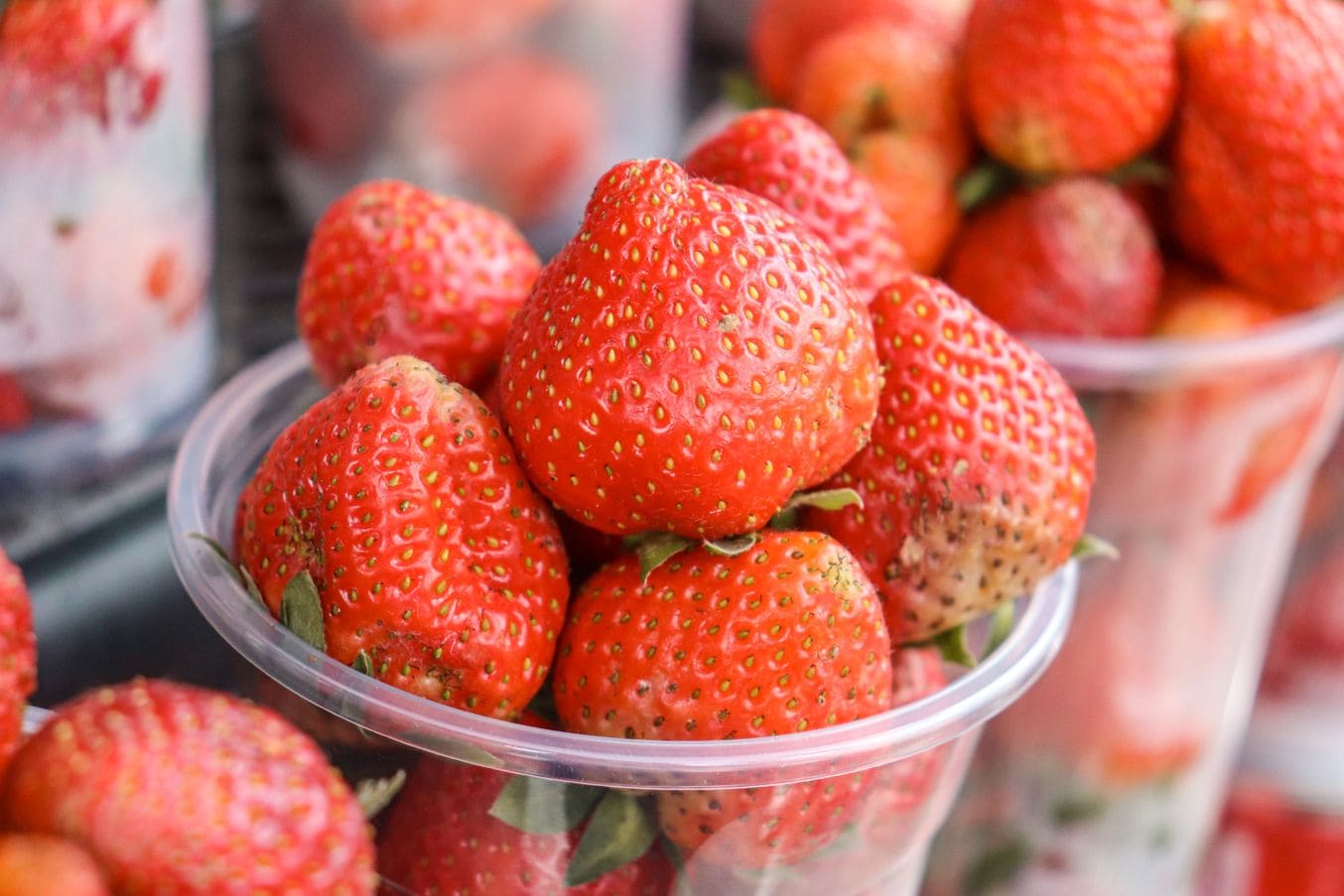
Strawberries are among the products most closely associated with Baguio and nearby La Trinidad. Depending on the season, you may find fresh strawberries, strawberry jam, preserves, candies, and other strawberry-flavored treats.
While fresh fruit certainly makes for a memorable purchase, it requires careful handling and should be transported properly. For longer journeys, preserves and packaged products are more convenient.
To be safe, when purchasing any strawberry-made products, check the ingredients, packaging, expiration date, and proper storage instructions. If you are purchasing several jars or boxes to take home as pasalubong from Baguio, choose products that can withstand the trip home.
Highland Coffee and Local Food Products
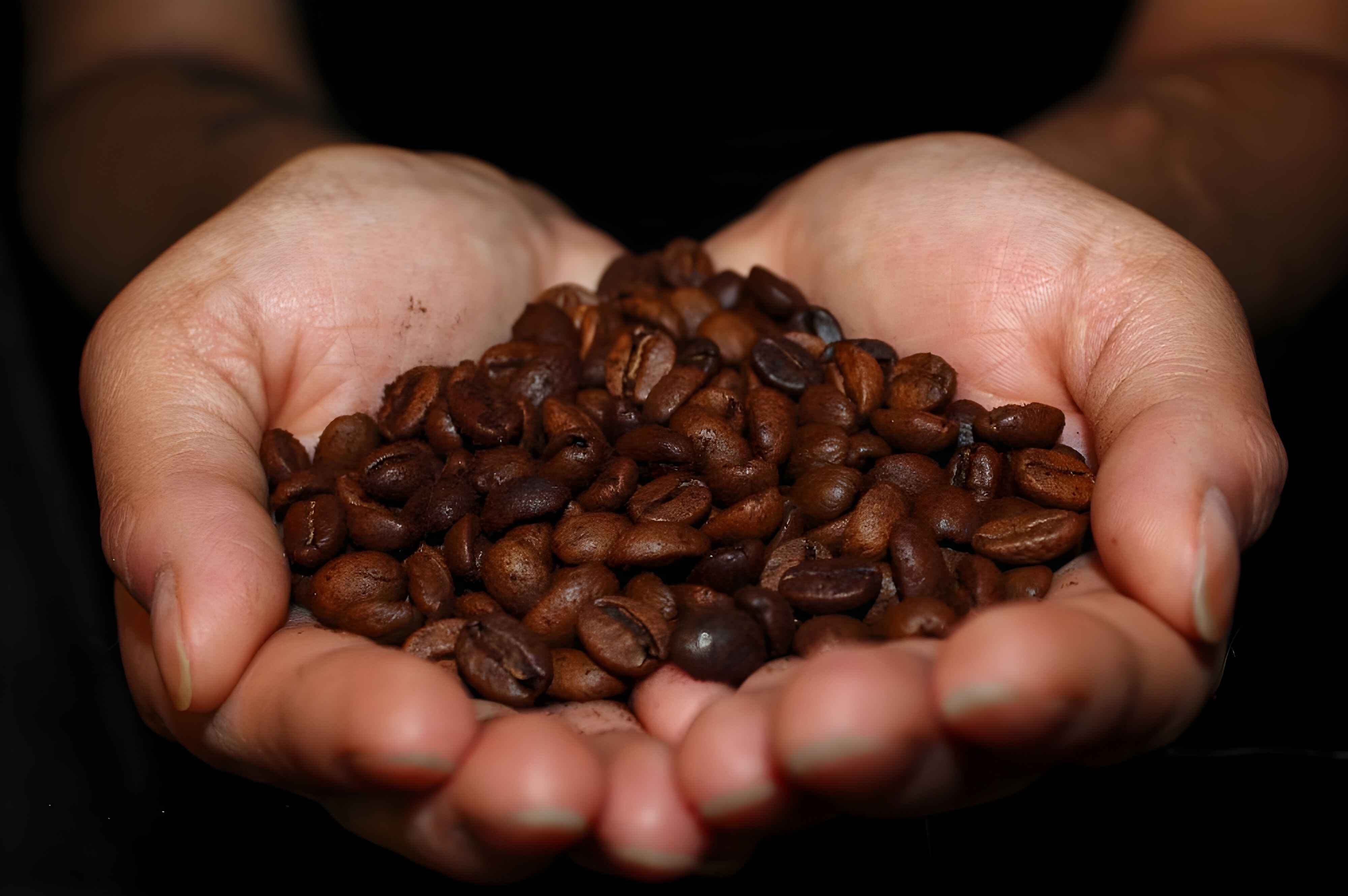
Another option for travelers interested in the flavors of the Cordillera region is coffee. Try looking for locally roasted coffee beans or ground coffee from reputable producers, if you’re deeply interested, ask about the bean’s origins.
You may also encounter regional delicacies, baked goods, fruit preserves, and other locally produced food items.
If you are shopping for gifts, consider the recipient's preferences and how long the product will remain fresh. Packaged goods with clear labeling are generally easier to transport than items requiring refrigeration.
Beyond strawberry products and coffee, Baguio is also known for popular pasalubong items such as peanut brittle, lengua de gato, ube jam, and other locally made treats that have become favorites among visitors. These products are widely available in markets, souvenir shops, and specialty stores, making them convenient options for sharing a taste of the city with family and friends.
2. Shop for Woven Products and Traditional Handicrafts
Locally made crafts can offer a meaningful connection to Baguio for travelers who prefer to have souvenirs that last after the trip.
Woven Textiles and Accessories
Visitors may encounter woven products among the craft items in artisan shops and markets. These items may include bags, pouches, accessories, and textiles featuring distinctive patterns and colors depending on the maker and availability.
Some designs have cultural significance, so it is worth learning about a product's origins rather than choosing solely based on appearance.
Ask whether an item was handmade, where it was produced, and whether the seller can provide information about the artisan or community involved. This helps you make an informed purchase while recognizing the work behind the product.
Woodcarvings, Jewelry, and Handmade Decor
Baguio and the Cordillera region have long traditions in woodcrafts, weaving, handcrafted jewelry, and other artisanal crafts. In established artisan shops, you may find carved objects, jewelry, decorative pieces, and locally designed accessories.
The products may vary in size, material, price, and production method. Smaller items are more practical for traveling by bus or plane, but larger decorative pieces may need additional packing arrangements.
Before purchasing, inspect the item's craftsmanship and ask about care instructions. For fragile objects, confirm whether protective packaging is available.
Where to Shop for Souvenirs in Baguio
Knowing where to look can help you find products that suit your interests, whether you are shopping for food, crafts, or affordable gifts.
Baguio Public Market
The Baguio Public Market is a practical starting point for exploring local food products, fresh produce, preserves, and everyday souvenirs.
Its variety makes it useful for travelers who want to compare products and prices in one area. You can browse different stalls, ask vendors about their products, and purchase several types of pasalubong during a single visit.
Visit with a shopping list if you have limited time, but leave room to explore products you may not have considered before.
Artisan Shops and Cultural Spaces
For handmade products and craft items focused shopping, consider artisan shops and cultural spaces wherein works by local makers are featured.
These venues can provide more information about materials, techniques, and the people behind the products. Some may also offer locally designed items that are less common in general souvenir stalls.
Cultural spaces such as Tam-Awan Village can also enrich your shopping experience by highlighting Cordilleran art, heritage, and traditional craftsmanship.
If supporting local craftsmanship is important to you, prioritize sellers who can explain where their products come from and how they are made.
Baguio Night Market
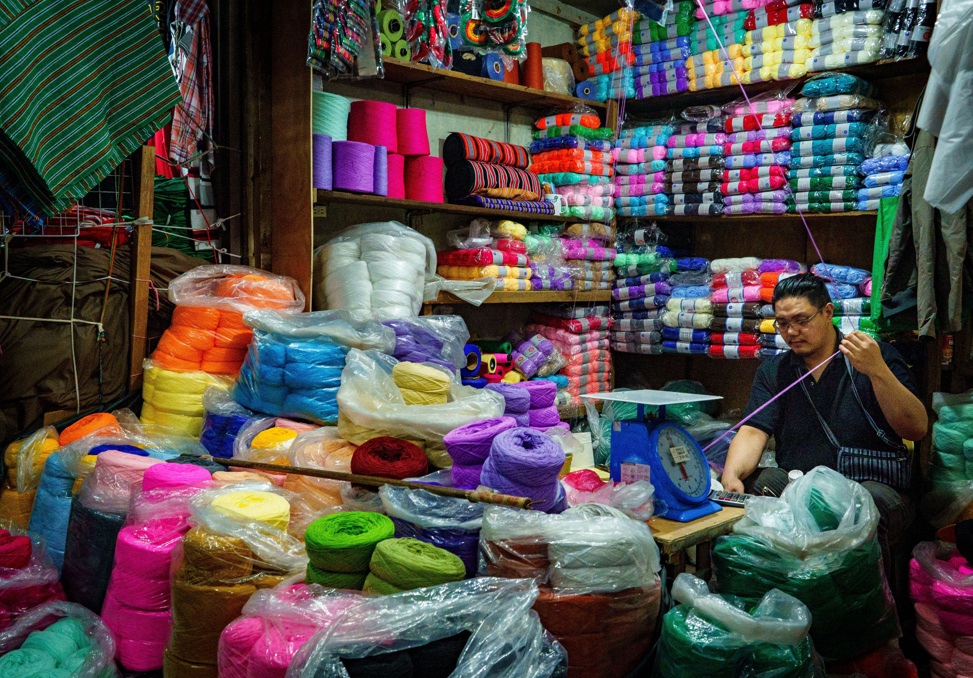
The Baguio Night Market, located along Harrison Road, is known for its lively evening atmosphere and wide selection of affordable merchandise. Depending on the stalls operating during your visit, you may find clothing, accessories, secondhand items, and other budget-friendly purchases.
Although the place is popular with bargain hunters, the market is not an exclusive destination for locally made crafts. If you specifically want locally produced goods, ask the vendors about the origins and other information first.
As the market can become crowded, keep your belongings secure, bring small denominations of cash, and set aside enough time to browse the stalls.
Operating arrangements and hours can change, so confirm current information before visiting.
How to Choose Meaningful Souvenirs and Shop Responsibly
Finding good souvenirs is not simply about getting the lowest price. It is also about choosing products that suit your needs and understanding the value of the work behind them.
Keep these tips in mind when shopping in Baguio:
To find out about the product’s origin, find out where an item was made, and if possible who the artisan is.
Before purchasing, check the stitching, finishes, other details, and as well as the packaging to ensure the quality and durability.
Compare prices thoughtfully. Comparing similar items can help you understand their value, but remember that handmade products may take considerable time and skill to produce.
In order to respect cultural significance, ask questions about the traditional patterns or designs, and avoid treating culturally meaningful objects as generic decorations.
When possible, support local makers by buying directly from artisans or reputable businesses that can identify their suppliers.
Consider practical transport needs. Choose products that fit your luggage and can be carried home safely.
For food items, remember to check for food labels to review the ingredients, expiration dates, and storage instructions.
Shopping respectfully allows you to enjoy the experience while recognizing the people and communities whose work contributes to Baguio's creative identity.
Plan Your Baguio Shopping Trip
You do not need to spend an entire day shopping to find worthwhile souvenirs. With a little planning, you can incorporate markets and artisan shops into a broader sightseeing itinerary.
Consider visiting the Baguio Public Market when exploring central Baguio, then setting aside another part of your trip for craft shops or cultural destinations. If you want to experience the Night Market, plan your evening around its operating schedule and allow extra time for crowds.
It also helps to set a shopping budget before you leave your accommodation. Decide how much you want to spend on food gifts, handmade products, and personal keepsakes, and reserve some room for unexpected discoveries.
Read a Baguio travel guide for a broader overview of the city’s attractions, food, culture, and practical travel advice. Doing so can help you combine shopping with visits to natural attractions, cultural spaces, and other local experiences.
Make Grafik Pine House Baguio Part of Your Highland Getaway
A shopping trip is just one part of the Baguio experience. Choosing accommodation that complements your itinerary can make it easier to balance market visits, cultural discoveries, outdoor activities, and time to unwind.
Grafik Pine House Baguio, located in Camp John Hay, offers a culture-inspired stay with design elements influenced by Cordilleran heritage. Its use of cultural art installations and warm natural textures connects the guest experience with the creative character of the city.
The hotel's location also provides a convenient starting point for exploring Camp John Hay and traveling to other Baguio attractions. After a day spent browsing markets, discovering local crafts, or sampling highland specialties, you can return to a comfortable setting and plan your next day's activities.
If you are comparing accommodation options, explore the available Camp John Hay Baguio room rates to find a room that suits your travel plans.
Book your stay with Grafik Pine House Baguio to uncover Baguio’s local flavors.