

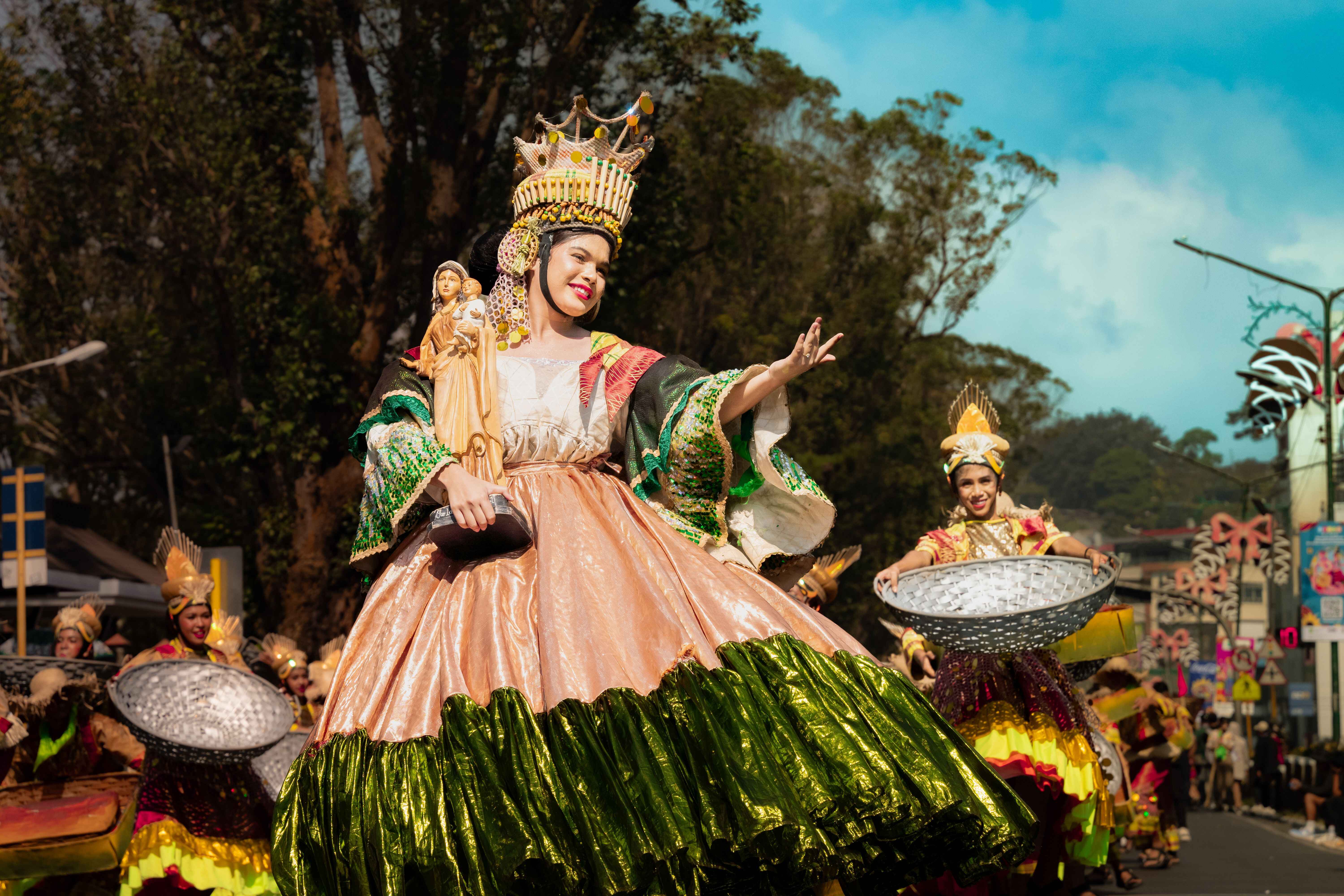
Known for its cool mountain climate, pine-covered landscapes, and scenic attractions, Baguio is a known travel and tourist destination. However, the city’s creative identity is another major reason to visit the area. Baguio, with its contemporary art galleries and cultural museums to traditional crafts and community-led creative spaces invites travelers to explore the stories, traditions, and artistic expressions that shape it.
Recognized by UNESCO as a Creative City of Crafts and Folk Art, Baguio has a vibrant creative community where traditional practices and contemporary influences come together. Whether you enjoy visiting museums, discovering local artists, or shopping for handmade pieces, exploring the city's creative side can add a meaningful dimension to your trip.
This guide explores the arts and culture of Baguio, including cultural destinations, local crafts, creative experiences, and practical tips to help you plan your visit.
A Guide to Experiencing Baguio's Arts and Culture
1. Discover Baguio's Creative Identity
Baguio's art scene and cultural heritage reflect the city's connections to the Indigenous peoples of the Cordillera, its history as a highland destination, and its evolving community of artists and craftspeople.
Traditional practices such as weaving, woodcarving, and silvercraft remain important expressions of regional identity. At the same time, contemporary artists work across painting, sculpture, photography, installation art, and other creative disciplines.
This combination makes Baguio an interesting destination for travelers who want to look beyond conventional sightseeing. Art and culture are not limited to formal exhibitions; they can also be discovered through artisan shops, cultural events, creative workshops, and conversations about the stories behind locally made objects.
Approach cultural visits with curiosity and respect to truly appreciate this creative identity. Learning about the origins of a craft or the meaning behind an artwork can make the experience more rewarding than simply taking photos.
2. Visit Museums and Cultural Spaces
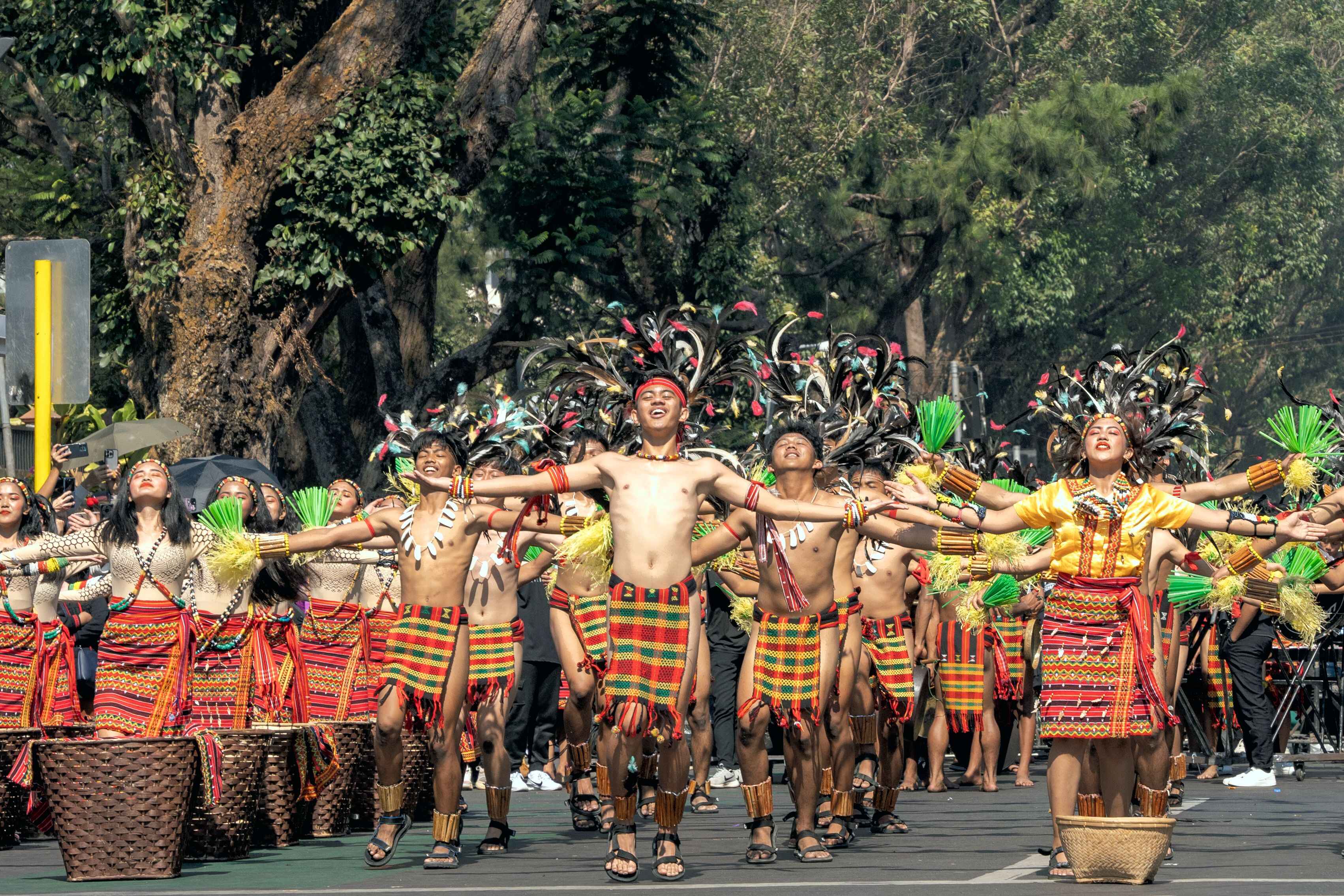
Museums and cultural spaces offer meaningful opportunities to better understand Baguio and the wider Cordillera region. At the University of the Philippines Baguio, Museo Kordilyera showcases exhibits and collections that highlight the Indigenous cultures, traditions, and material heritage of Northern Luzon, providing valuable insight into the region’s cultural diversity and artistic legacy.
You may also wish to visit Tam-awan Village, a cultural and creative destination that blends art, architecture, and Cordilleran-inspired design. As you explore the village, you can discover galleries, installations, and cultural spaces that reflect the connection between local traditions, community life, and creative expression.
Beyond these attractions, consider exploring local galleries, community art spaces, and cultural programs organized by educational institutions and creative groups throughout the city.
Before planning your visit, check current opening hours, admission policies, and event schedules. Some venues may operate on limited days or require advance arrangements for exhibitions, workshops, or guided activities.
3. Explore Galleries and Meet the Local Creative Community
One of the best ways to experience Baguio's artistic identity is to explore the spaces where artists create, exhibit, and share their work.
Historically, Baguio has attracted artists and has supported creative collaboration. This type of environment has contributed to a diverse artistic community that includes painters, sculptors, photographers, designers, and makers working with different materials and techniques.
When planning your visit, look beyond major tourist attractions and search for independent galleries, artist-led spaces, and temporary exhibitions. These venues can introduce you to contemporary interpretations of regional identity, everyday life, landscapes, and social experiences.
Travelers interested in exploring Baguio's creative scene may also consider visiting destinations such as BenCab Museum, which showcases contemporary Philippine art alongside Cordilleran artifacts, and Ili-Likha Artists Village, a creative space known for its artistic architecture, independent shops, and community-driven atmosphere. Another notable venue is Victor Oteyza Community Art Space (VOCAS), which supports exhibitions, cultural programs, and opportunities to engage with local artists. Together, these spaces offer different perspectives on Baguio's evolving artistic identity and creative community.
If schedules permit, consider joining artist talks, demonstrations, or workshops offered by galleries and creative spaces. Such experiences can help provide insight into the creative process behind the art and give visitors a better understanding.
Remember that not every studio or art space operates as a public attraction. Confirm visiting arrangements before arriving, and ask permission before photographing artwork or working artists.
4. Discover Traditional Crafts and Handmade Souvenirs
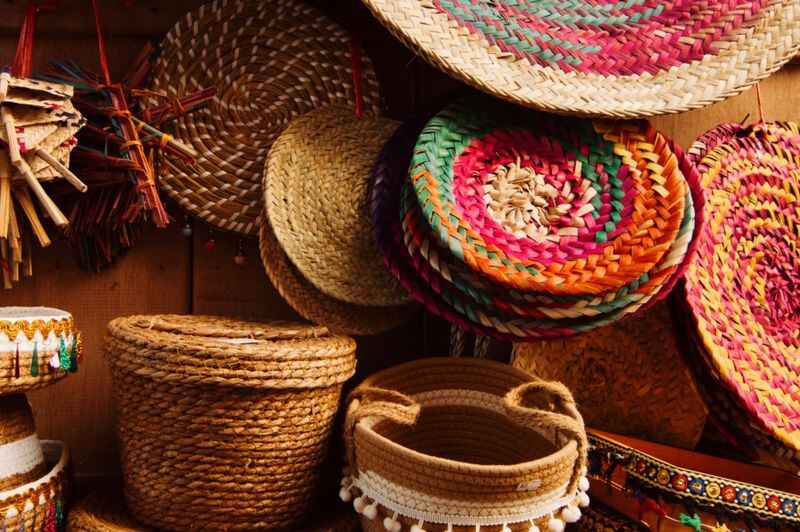
Craftsmanship is an important part of Baguio's cultural identity. Exploring local crafts allows travelers to appreciate the skills, materials, and knowledge involved in producing objects that may also carry cultural significance.
Depending on availability, you may encounter woven textiles, woodcarvings, silver jewelry, handmade accessories, and other locally produced items.
The public market is a practical place to browse regional products and food souvenirs. For more specialized crafts, explore established artisan shops and cultural spaces that showcase handmade work.
When shopping, pause to learn about the maker and the production process. Buying from local artisans or reputable sellers can help support creative livelihoods while giving you a clearer understanding of what you are purchasing.
Avoid assuming that every product marketed as Indigenous-inspired was made by an Indigenous artisan. When authenticity matters, ask about its origin and the person or community responsible for its production.
5. Experience Baguio's Cultural Events and Creative Activities
Cultural festivals and creative events offer another way to experience the city's artistic community.
The Panagbenga Flower Festival is among Baguio's most recognizable annual celebrations, bringing floral displays, parades, and community activities into the city's public spaces. Although it is best known for its flower-themed celebrations, the festival also provides opportunities to observe local creativity and community participation.
Throughout the year, Baguio also hosts art exhibitions, creative gatherings, workshops, and other cultural programs. The events may take place in galleries and institutions, while others may be organized by community groups or local artists.
To find activities that match your interests, check official event announcements, venue pages, and local tourism updates before your trip. Festival dates, workshop availability, and exhibition schedules can change, so avoid relying solely on older travel articles.
If you want to participate in a workshop, confirm whether advance registration is required and whether materials are included in the fee. Planning ahead helps you fit creative activities into your itinerary without rushing between destinations.
Practical Tips for Planning an Arts and Culture Itinerary
Allowing time to appreciate individual places can make your experience more meaningful for a cultural trip.
Your trip does not need to be jam packed with activities. Start by choosing two or three destinations that interest you most, such as a museum, a cultural village, or an art gallery. Group nearby attractions together to reduce travel time and leave room for meals or spontaneous discoveries.
Consider these practical tips:
Check schedules in advance. Confirm opening hours, admission fees, event dates, and workshop availability directly with venues.
Allow enough time. Museums, galleries, and cultural spaces may offer more to explore than you initially expect.
Respect cultural protocols. Follow posted guidance, ask before taking photographs, and observe restrictions around sacred or private spaces.
Support local makers. Consider purchasing directly from artisans or established local businesses when possible.
Prepare for the weather. Bring a light jacket or rain protection, especially if your itinerary includes outdoor cultural attractions.
Stay flexible. Temporary exhibitions and community activities may change, so keep alternative stops in mind.
It would be helpful to look up a complete Baguio travel guide for a broader overview of the city's attractions, outdoor destinations, food, and travel planning advice.
Experience Baguio's Creative Side at Grafik Pine House Baguio
For travelers who want their accommodation to reflect the character of their destination, Grafik Pine House Baguio offers a culture-inspired stay in Camp John Hay.
The hotel's design incorporates Cordilleran influences, cultural art installations, and warm natural textures, creating an environment that connects hospitality with the region's creative identity. Its location also provides a convenient starting point for exploring Camp John Hay's pine-shaded surroundings and other cultural attractions across the city.
Beyond its design, the hotel offers opportunities for guests to complement their stay with additional experiences. Explore Grafik Pine House’s activities to see what may be available during your visit.
Whether you spend your days discovering galleries, learning about local crafts, or exploring Baguio's cultural landmarks, returning to a comfortable setting can help round out the experience.
Make your next Baguio getaway a chance to discover the city's creative spirit. Explore your accommodation options and book your stay at Grafik Pine House Baguio.