Key Takeaways
Discover Baguio’s landscapes, cultural landmarks, and creative spaces and experiences by exploring beyond the usual tourist spots.
To experience the city’s cultural identity, try visiting museums, artisan communities, and cultural attractions in the Cordillera region.
Set aside time for nature and enjoy scenic walks, parks, gardens, and outdoor activities that will expose you to Baguio’s refreshing highland environment.
Discover local flavors and try fresh produce, strawberry snacks, regional delicacies, and local dining places.
Explore markets and artisan shops with handmade crafts to shop for meaningful souvenirs.
Consider the weather, transportation, travel time, and seasonal events when organizing your visit.
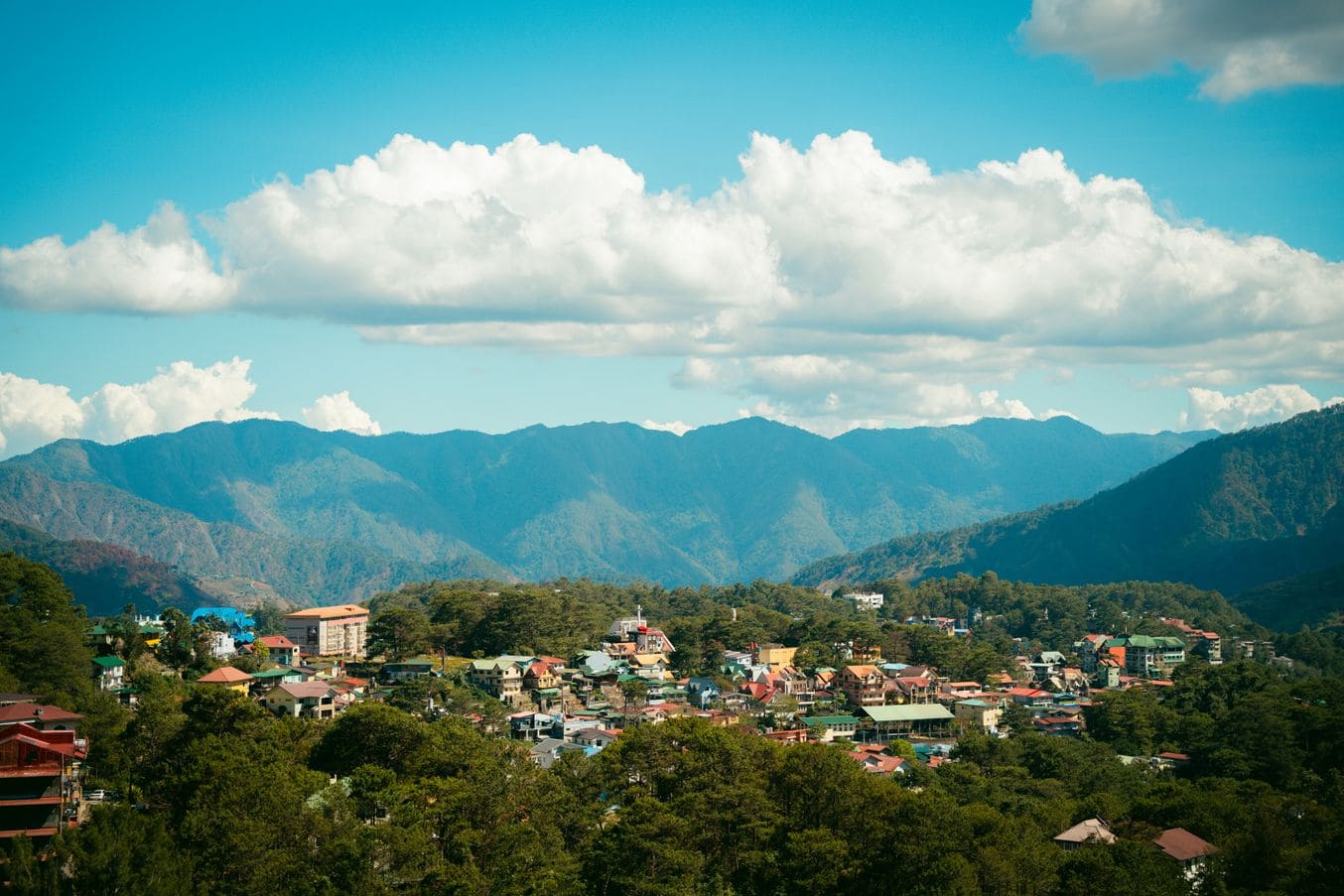
Known as the City of Pines and the Summer Capital of the Philippines, Baguio has long attracted travelers seeking cool air, scenic landscapes, and a refreshing break from routines. Yet beyond its familiar parks, viewpoints, and popular tourist attractions, the city offers a deeper experience shaped by Cordilleran heritage, creative communities, local cuisine, and a distinctive highland lifestyle.
A fulfilling Baguio trip entails more than just visiting the landmarks and taking pictures. It can mean uncovering and learning about the stories behind traditional crafts, spending a morning beneath the pine trees, exploring art spaces, or sampling food made with produce grown in the surrounding highlands.
This Baguio City travel guide brings together the natural attractions, cultural experiences, dining discoveries, shopping destinations, and practical travel advice that can help you plan your visit. Whether you are traveling for a weekend or staying longer, understanding the different sides of the city can help create an itinerary that balances sightseeing with opportunities to slow down and appreciate your surroundings.
1. Discover Baguio's Natural Attractions and Scenic Landscapes
Baguio's natural surroundings are among its greatest attractions. Pine trees, landscaped gardens, mountain views, and green spaces offer opportunities to enjoy the outdoors, even within an urban setting.
Consider setting aside time to experience these places at a more comfortable pace rather than rushing through every major attraction.
Enjoy a Leisurely Visit to Burnham Park
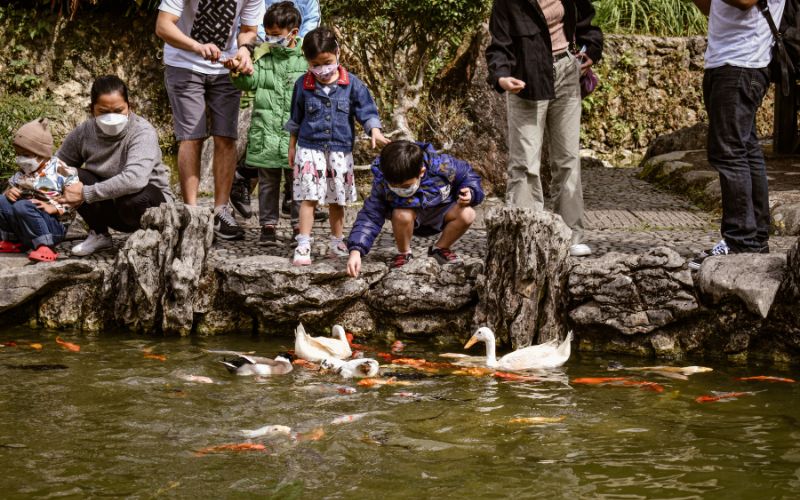
Burnham Park is one of Baguio's best-known public spaces and a convenient starting point for exploring the city. Its central lagoon, landscaped gardens, and walking paths make it a popular destination for travelers looking for a relaxed outdoor activity.
Visitors can enjoy a peaceful walk around the park, spend time near water, or observe the daily rhythm of the city. The surrounding area also provides chances to explore nearby shops and food establishments.
For a more relaxed experience, consider visiting earlier in the day, when you can enjoy a walk before moving on to other attractions.
Take in the Views at Mines View Park
For a different perspective on Baguio’s mountainous surroundings, Mines View Park is a spot to consider. It offers elevated viewpoints with sweeping views of the surrounding landscape, making it a popular place for sightseeing and photography.
There are also souvenir stalls where visitors can browse local products in the area.
To make the most of your visit, combine the viewpoint with nearby attractions rather than treating it as an isolated stop. Check current road conditions and travel times when planning your route, particularly during weekends and holidays.
Explore the Baguio Botanical Garden
For travelers interested in greenery and cultural discovery, the Baguio Botanical Garden offers a combination of landscaped outdoor spaces and cultural elements associated with the Cordillera region.
The garden provides an opportunity to enjoy a slower-paced visit while appreciating the relationship between the city's natural environment and its cultural identity.
Explore the grounds, observe the landscaping, and learn about the cultural features displayed throughout the area. For a smooth experience, visitors should check the entry information and any ongoing redevelopment or access arrangements.
Find More Opportunities to Enjoy the Outdoors
Baguio also has other places where visitors can enjoy scenic surroundings and quieter outdoor experiences beyond the common major attractions.
Consider adding Wright Park, Mirador Heritage and Eco Park, or selected walking areas around Camp John Hay to your itinerary. Each offers a different atmosphere, from landscaped public spaces to more nature-oriented settings.
Though a well-paced itinerary often makes room for unplanned discoveries as well as scheduled stops, when choosing outdoor activities to partake in, remember to consider your fitness level, the weather, and the amount of time you need to allot traveling in between destinations.
2. Experience Baguio's Culture and Cordilleran Heritage
Baguio's identity is closely connected to the Indigenous peoples of the Cordillera region and the cultural traditions that continue to influence the city's art, crafts, architecture, and community life.
The city was designated a UNESCO Creative City of Crafts and Folk Art in 2017, recognizing its creative heritage and the importance of traditional craftsmanship to its cultural identity. Weaving, woodcarving, silvercraft, and other forms of folk art contribute to its creative landscape.
For visitors, this means that cultural exploration can go beyond museums and historical landmarks. The experience can also involve meeting local makers, visiting creative spaces, and learning about the stories behind the products and traditions encountered along the way.
Visit Museums and Cultural Spaces
Museums and cultural centers provide valuable context for understanding Baguio and the wider Cordillera region.
There are places such as Museo Kordilyera and Tam-awan Village. Museo Kordilyera is a place to explore exhibitions and collections related to the cultures and material heritage of the Cordillera while Tam-awan Village is another avenue for cultural and artistic discovery through a combination of art, architecture, and creative activities.
You can also look into local galleries, community art spaces, and cultural exhibitions that showcase the work of contemporary artists.
Before visiting, check opening schedules, admission arrangements, and whether exhibitions or workshops require advance reservations.
Discover the City's Creative Community
Baguio's creative identity extends into its galleries, artist-led spaces, craft workshops, and independent establishments. These places reveal how traditional influences and contemporary ideas can coexist in a changing city.
You might encounter paintings, handmade accessories, textiles, ceramics, woodwork, or other creative works that reflect the interests and perspectives of local makers.
Ponder supporting local creators by purchasing directly from established artisans and learning about the materials and techniques they use instead of viewing shopping and art appreciation as separate activities.
Appreciate Baguio's Living Heritage
Cultural discovery becomes more meaningful when traditions are understood as living practices rather than attractions for visitors.
Remember to follow local guidance, ask permission before taking photos of people or culturally significant activities, and respect any restrictions around sacred or private areas when visiting cultural spaces.
Taking the time to understand the stories behind cultural objects and practices can make your trip more rewarding than simply collecting photographs of familiar landmarks.
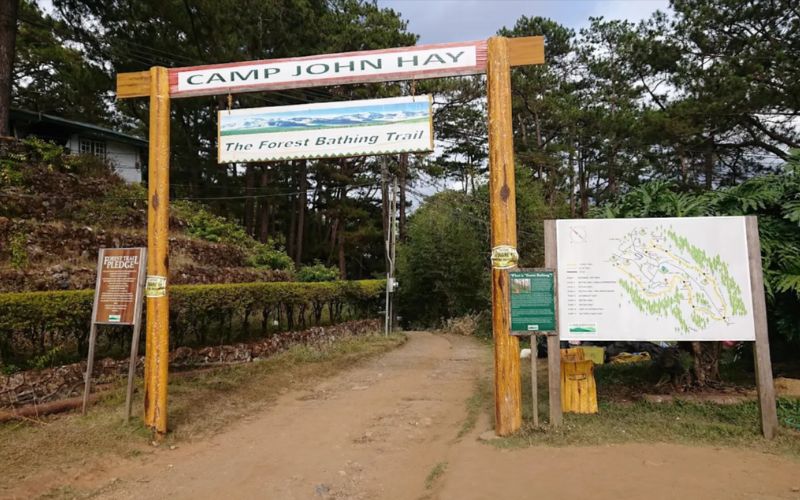
3. Explore Camp John Hay's Blend of Nature, History, and Leisure
Camp John Hay is one of Baguio's distinctive destinations, combining forested surroundings, historical landmarks, recreational facilities, and places to dine or relax.
The area was originally established as a military recreational facility during the American colonial period but has since been developed into a leisure destination where visitors can explore elements of Baguio’s history while enjoying its natural environment.
Walk Among the Pine Trees
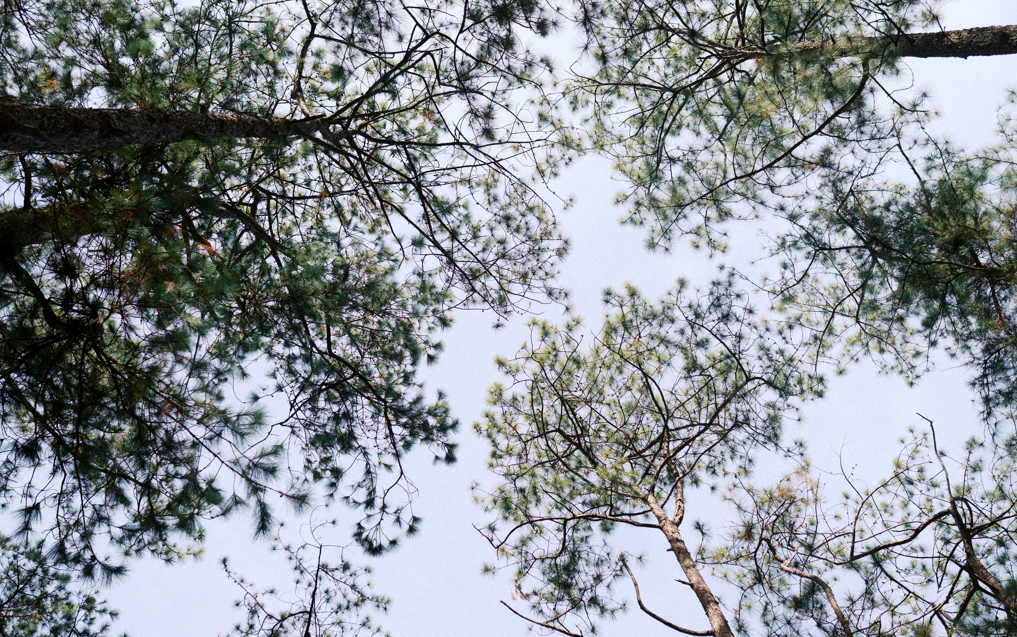
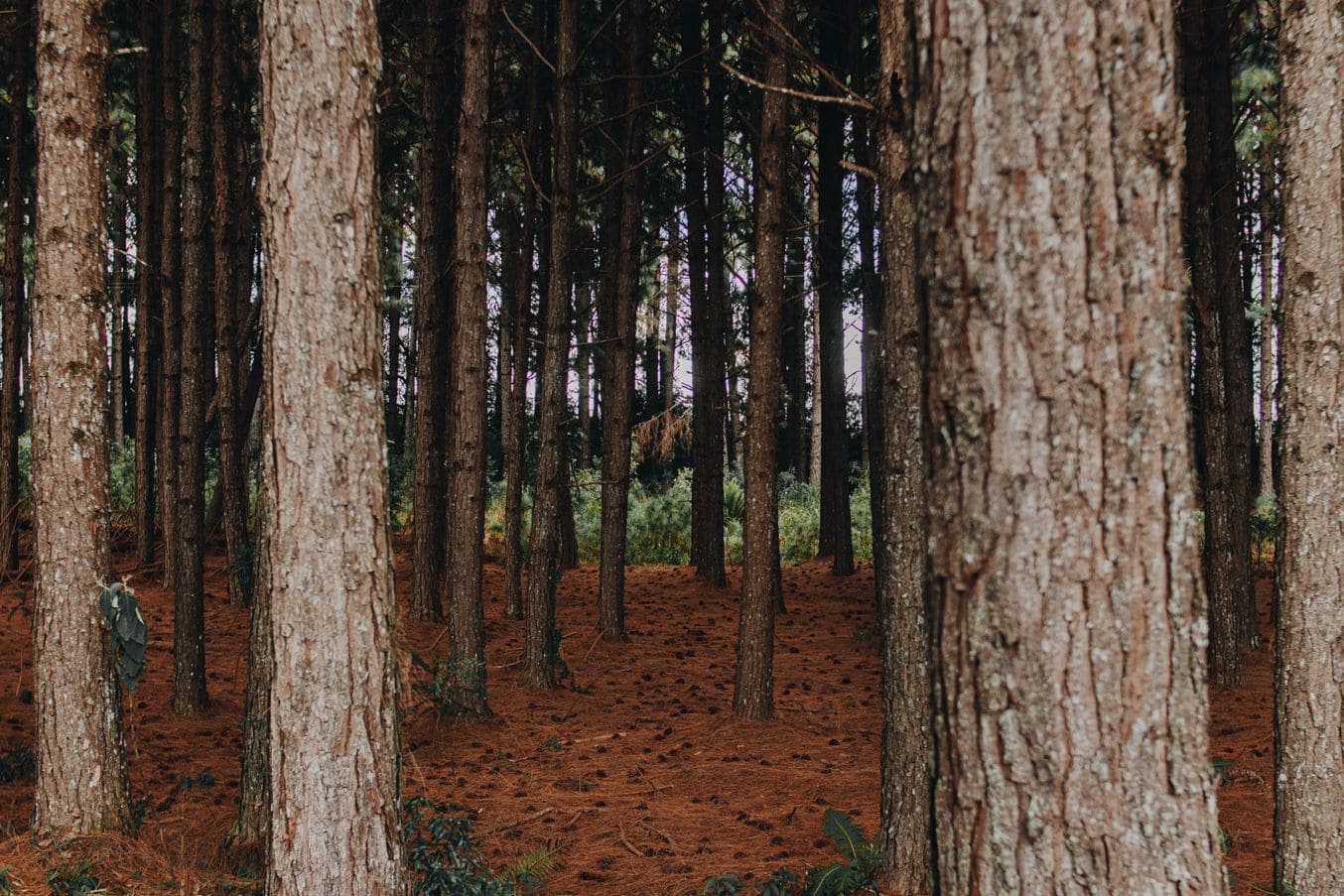
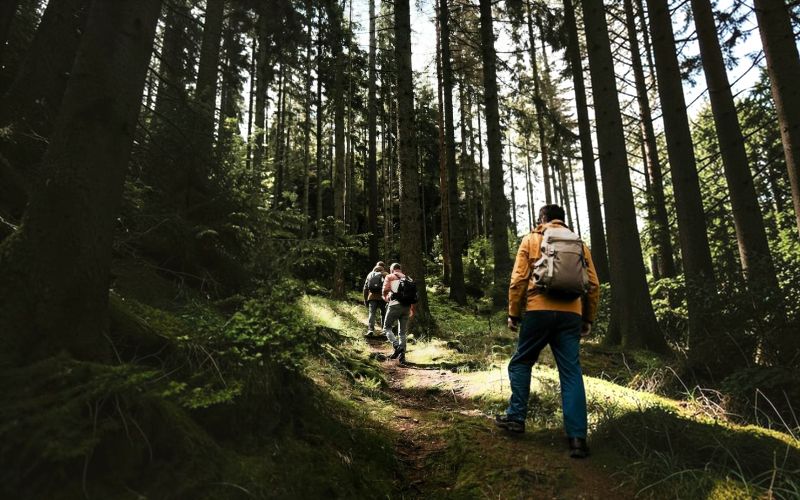
For travelers looking for a break from the city’s busier commercial areas, the pine-shaded environment of Camp John Hay is inviting.
Depending on current access arrangements, visitors can explore designated walking areas, enjoy the forest scenery, and spend time outdoors without necessarily committing to a demanding hike.
Wear comfortable walking shoes and bring a light jacket, especially if you plan to spend time outside early in the morning or later in the afternoon.
Explore Historical Landmarks
Camp John Hay's historical attractions offer a glimpse into an earlier chapter of Baguio's development.
The Bell House and the Cemetery of Negativism are among the area's recognized landmarks. Visiting them can add historical context to a trip that might otherwise focus mainly on scenery and leisure activities.
Allow time to explore rather than rushing between stops. If you are particularly interested in the site's history, look for current interpretive information or guided experiences that can provide additional context.
Enjoy Dining and Recreational Experiences
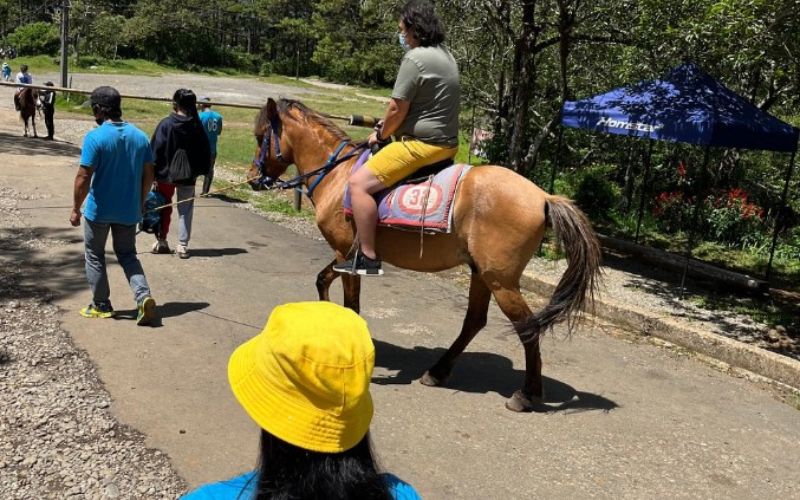
Camp John Hay also provides opportunities to enjoy meals, spend time with family or friends, and incorporate more relaxed activities into your itinerary.
Its combination of outdoor surroundings and leisure establishments makes it suitable for travelers who want to balance sightseeing with downtime.
You can plan a visit around a morning walk, a leisurely meal, and a few nearby attractions rather than attempting to fit an entire day's worth of activities into a short period.
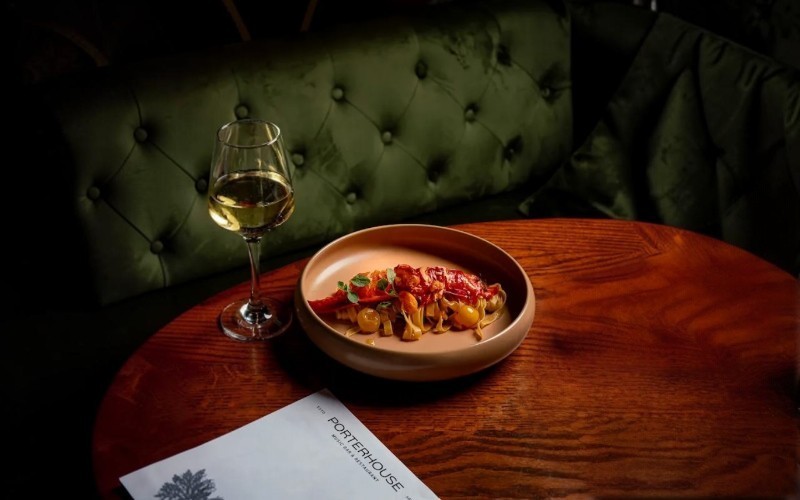
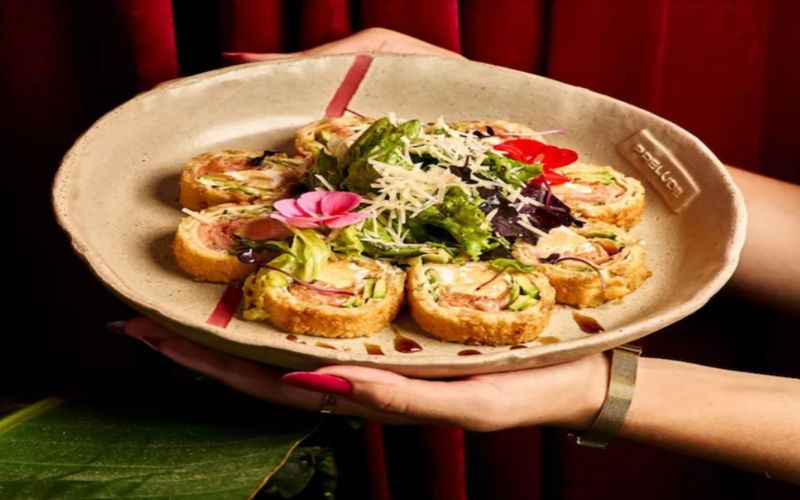
Grafik Pine House Baguio offers different dining options such as Saleng which serves Cordillera cuisine.
Because individual establishments and attractions may have different operating schedules, confirm current opening hours before setting out.
4. Discover Baguio Through Its Local Food
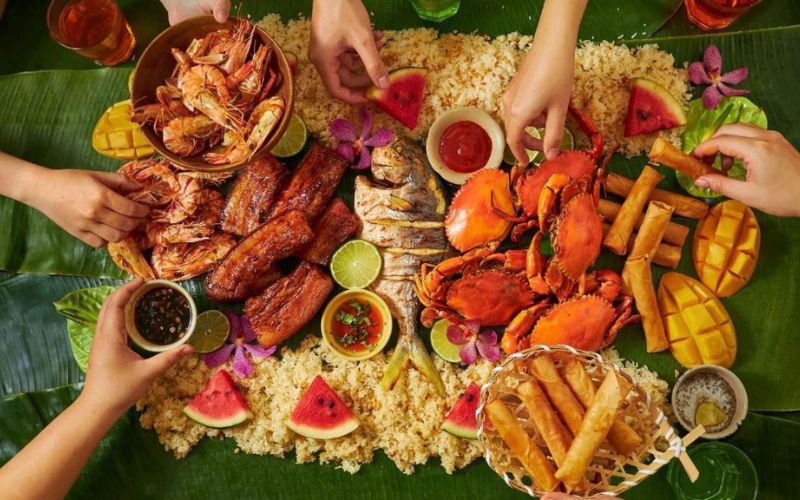
Like with any other trip, food is an essential part of experiencing the location. Baguio city’s dining scene brings together regional ingredients, familiar Filipino favorites, traditional specialties, and contemporary culinary influences.
A food-focused itinerary can also introduce you to the agricultural communities surrounding the city, particularly Benguet's highland vegetable farms and strawberry-growing areas in nearby La Trinidad.
Try Strawberry Treats and Highland Produce
Strawberries are among the products most closely associated with Baguio-area trips. Depending on the season and availability, you may encounter fresh strawberries, strawberry jam, preserves, and desserts made with the fruit.
Other local products worth looking for include fresh vegetables, mountain-grown coffee, and regional food specialties.
The Baguio Public Market is a practical place to explore food products, and pasalubong options. If you plan to buy fresh goods, bring reusable shopping bags and consider how you will transport perishable items home.
Take note that produce availability varies throughout the year, so it is best to approach seasonal specialties with some flexibility.
Explore Local Dining Experiences
Baguio's food scene includes everything from casual eateries and traditional Filipino restaurants to independent cafés and contemporary dining establishments.
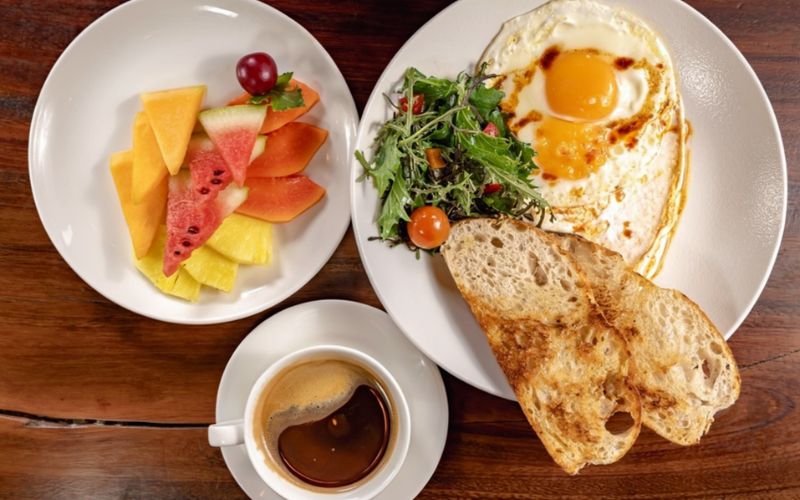
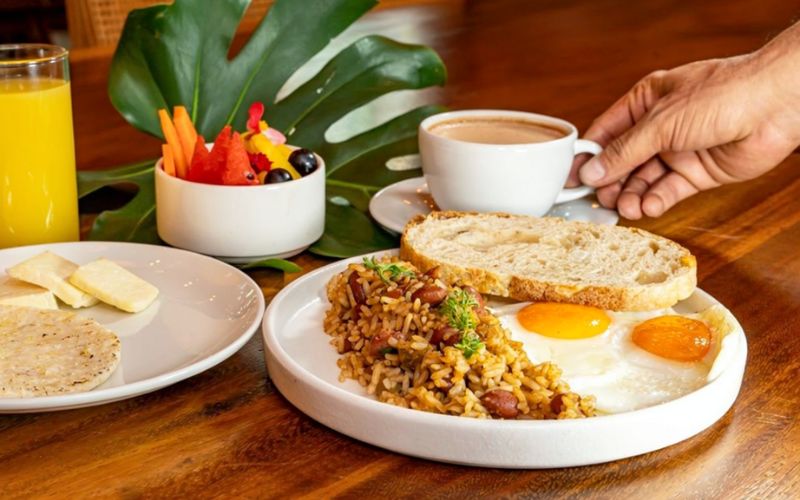
For a more varied experience, try combining a few different types of stops. You might begin with a local breakfast, enjoy coffee at a cafe, sample regional dishes for lunch, and finish the day with a relaxed dinner.
For visitors who want to further explore, try the establishments surrounding the major tourist attractions. Exploring different neighborhoods can introduce you to places that reflect the everyday dining habits of residents for a more authentic experience.
Make Time for Baguio's Coffee Culture
Coffee is another worthwhile part of the city's culinary landscape. Baguio and the surrounding Cordillera region have connections to highland coffee production, and local cafés offer opportunities to discover regional beans alongside other Philippine coffee varieties.
Consider asking about the origin of the beans, how the coffee is prepared, and which local roasters or producers the establishment supports.
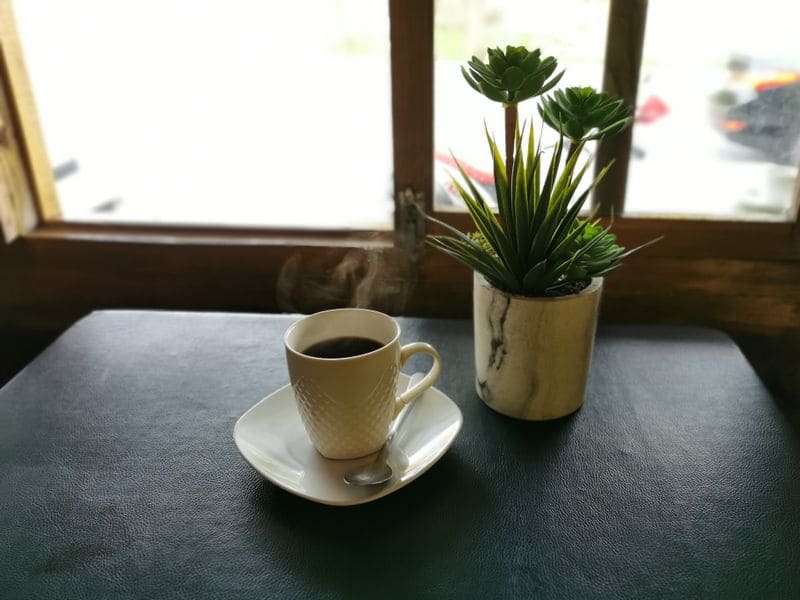
Adding a quick coffee or cafe stop can also be a way to slow down and take a break between sightseeing activities, especially when the weather turns rainy or you just want a break from a busy itinerary.
5. Shop for Local Crafts, Souvenirs, and Highland Finds
Shopping in Baguio can be more meaningful when you look beyond mass-produced souvenirs and explore the city's craft traditions and regional products.
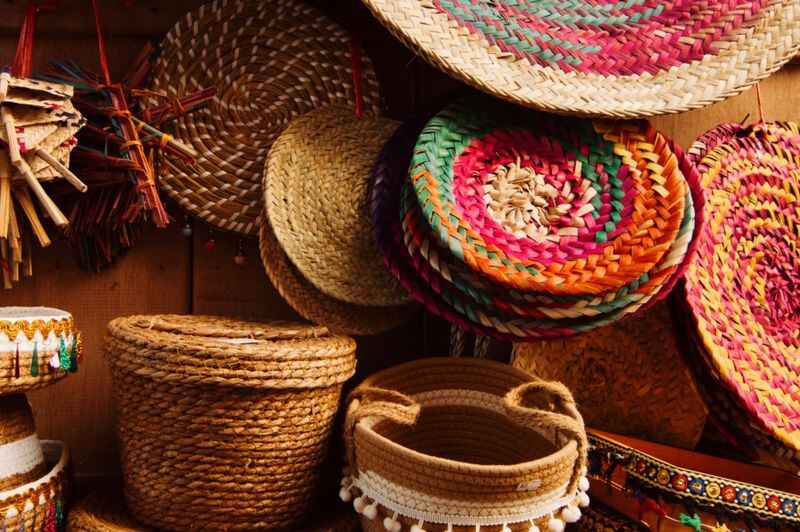
The city offers opportunities to find handwoven textiles, woodcarvings, silvercraft, locally made accessories, food products, and other items that reflect the creativity of Baguio and the wider Cordillera region.
Visit Markets and Artisan Shops
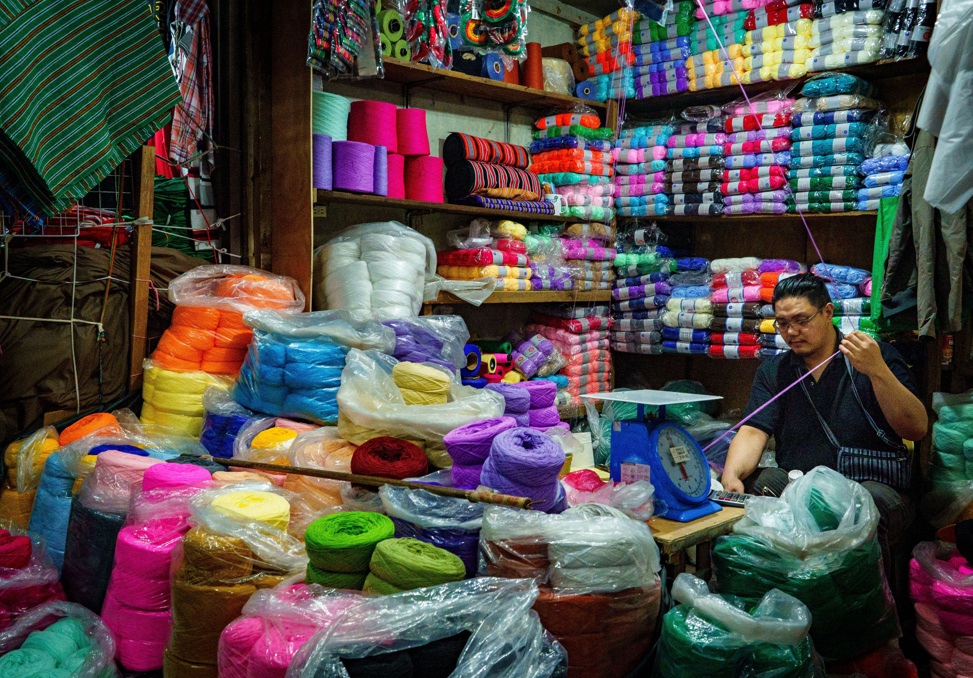
The public market is a useful stop for visitors interested in local food products, everyday goods, and pasalubong.
For craft-focused shopping, look for established artisan shops and creative spaces that offer handmade items. Depending on what is available during your visit, you may find woven products, carved wooden objects, handmade jewelry, and locally designed accessories.
When possible, ask about the maker, materials, and production process. Buying directly from local artisans or reputable retailers can help you make more informed purchasing decisions.
Choose Souvenirs with a Story
Instead of buying several generic souvenirs, consider choosing one or two items that have a meaningful connection to your trip.
A locally produced food item might remind you of Baguio's culinary scene, while a handmade object could introduce you to a particular craft or creative tradition.
Be mindful of how cultural designs and traditional motifs are represented. Look for authentic products and respect the cultural significance of items when it is explained by their makers.
6. Enjoy Outdoor Activities and Slower Travel Experiences
Although Baguio is known for its many popular tourist attractions, some of its memorable experiences can only come from allowing yourself time to enjoy the surroundings.
Outdoor activities can be as simple as taking a morning walk, spending time in a garden, or exploring a scenic area without rushing to the next destination.
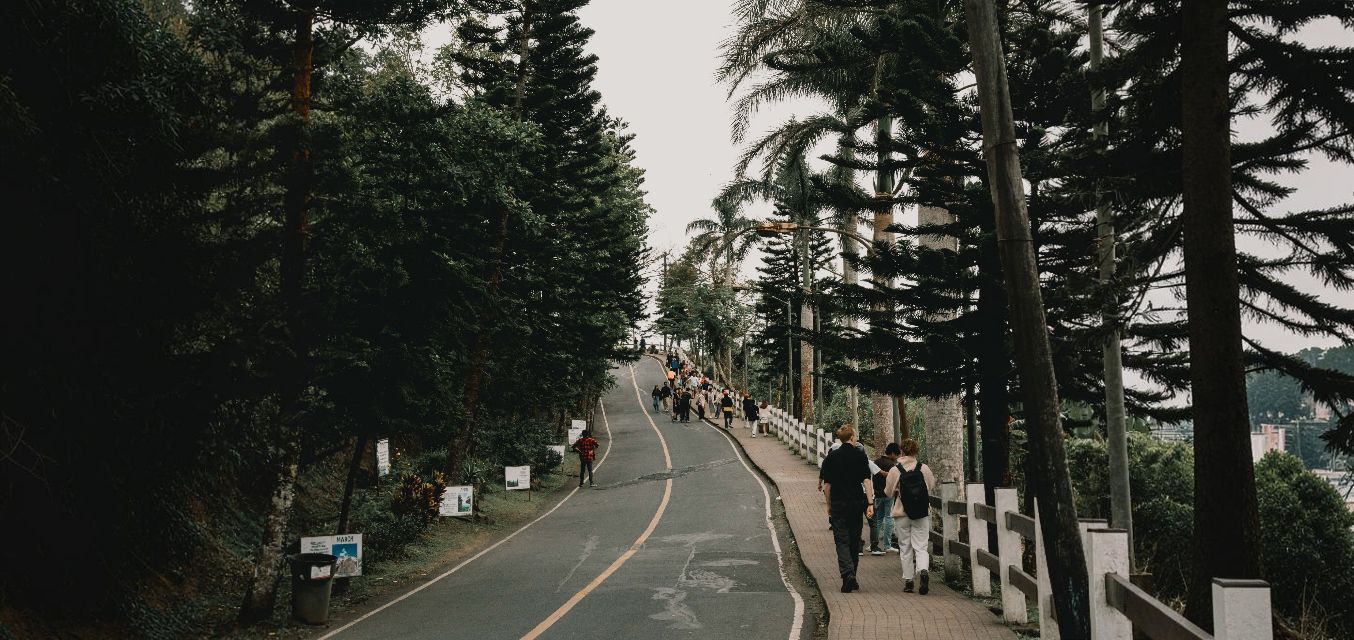
Plan a Scenic Walking Day
One of the best ways to experience Baguio's atmosphere is through a walking-focused itinerary.
Choose a few destinations within a manageable distance of one another, then allow time for rest stops, photographs, and spontaneous discoveries.
If your route includes steep streets or uneven paths, wear supportive footwear and bring water. The cool climate can make outdoor activity comfortable, but it is still important to prepare for changes in weather and elevation.
Explore Beyond the City Center
Travelers with more time can consider destinations around Baguio, including nearby La Trinidad, known for its strawberry-growing areas and agricultural landscapes.
Your preference can also help dictate your route, you can choose to explore additional cultural attractions, gardens, or nature-oriented destinations outside the central tourist districts.
Before including these stops, check transportation options and realistic travel times. Traffic, road conditions, and seasonal demand can affect how long it takes to move between destinations.
Leave Space for Unplanned Discoveries
One of the common travel-planning mistakes is trying to fit in too many places in a single day.
Instead of doing that, it would be better to select a few experiences that matter the most to you and leave room for a leisurely meal, a quiet afternoon, or a return visit to a place you particularly enjoy.
An approach like this is especially useful in Baguio as weather changes and road congestion can affect your schedule. A flexible itinerary allows you to enjoy the city without feeling that every hour must be accounted for.
Practical Tips for Planning Your Baguio Trip
A little preparation can make your visit more comfortable, particularly if you are traveling during a holiday, festival, or long weekend.
Choose Your Travel Dates Carefully
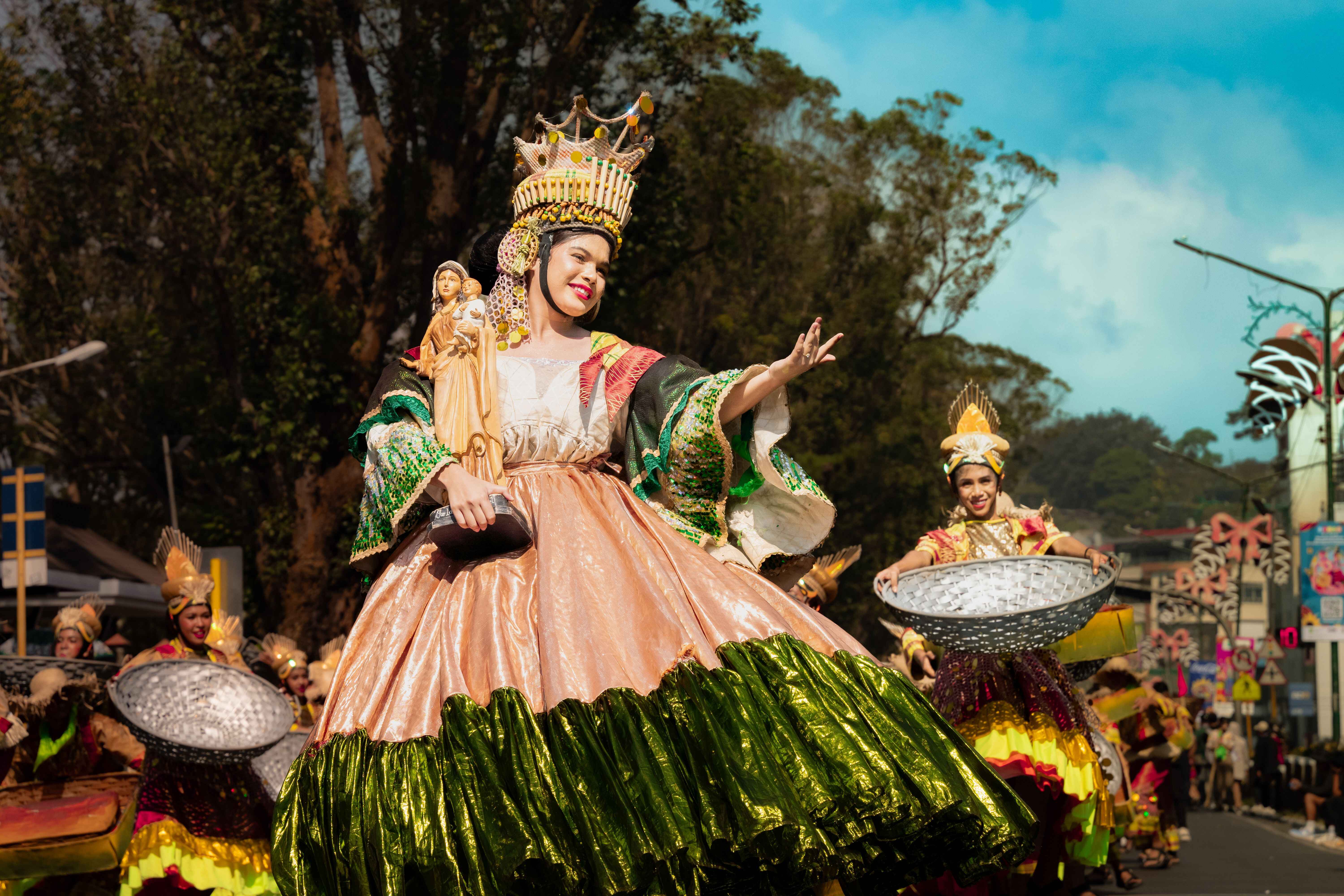
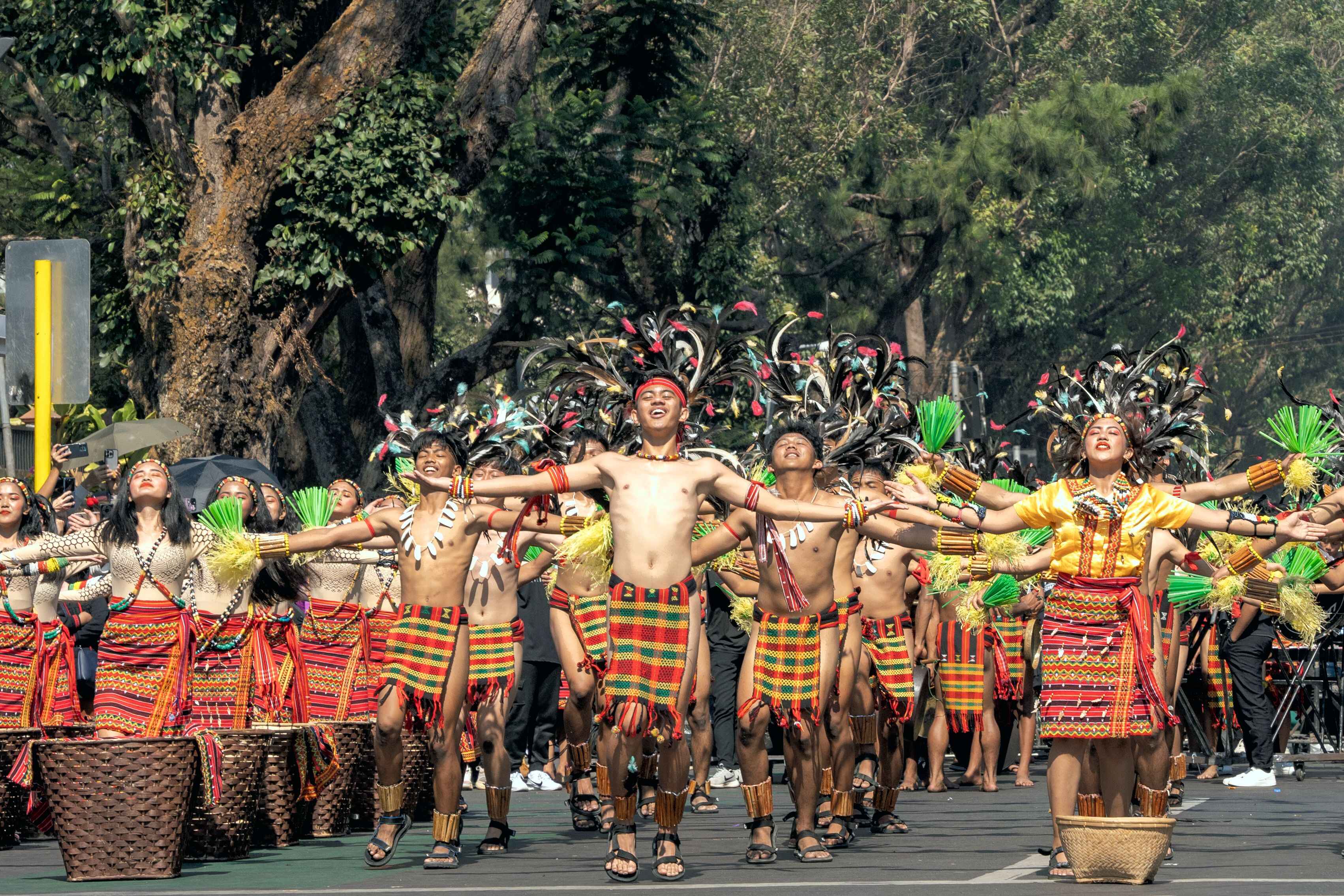
Baguio attracts visitors throughout the year, with particularly busy periods during holidays, school breaks, and major events such as the Panagbenga Flower Festival.
Compare different periods based on your preferred activities, expected weather, and accommodation budget if your travel dates are on the flexible side.
During popular travel periods, book accommodation and any necessary transport arrangements in advance.
Prepare for Cool and Rainy Weather
Though Baguio’s highland climate is generally cooler than many lowland destinations, conditions may vary by season and time of day.
Bring layers that you can add or remove as needed, and a light rain jacket or umbrella. Comfortable shoes are useful for walking, while an extra layer can make early mornings and evenings more pleasant.
Check the forecast before outdoor excursions and adjust your plans if heavy rain affects visibility or walking conditions.
Plan Your Transportation
Baguio's main attractions are spread across different areas, so it helps to group nearby destinations together.
Public transportation, taxis, walking, and private vehicles may all be useful depending on your itinerary. However, traffic can become heavy during peak periods, and some destinations involve steep roads or longer travel times than expected.
If you are driving, check current parking arrangements and any applicable traffic regulations. The official Baguio VISITA portal is a useful starting point for checking attractions, registered establishments, and visitor information.
Set a Realistic Budget
Your travel budget should account for accommodation, transportation, meals, entrance fees where applicable, shopping, and optional activities.
Rather than planning around a fixed number of attractions, decide which experiences matter most to you. You can then allocate more of your budget to those priorities while leaving room for unexpected expenses.
For accommodation, compare location, room features, facilities, and overall convenience rather than choosing solely on the nightly rate.
Build a Flexible Itinerary
For a two-day visit, you might spend the first day exploring central Baguio, including Burnham Park, local dining spots, and the public market. The second day could focus on Camp John Hay, cultural attractions, and time outdoors.
With three or more days, you can explore at a slower pace, add museums or artisan spaces, and consider nearby destinations such as La Trinidad.
Treat these as starting points rather than rigid schedules. Adjust your plans according to your interests, travel companions, weather, and the time required to move between stops.
Where to Stay in Baguio: Discover Grafik Pine House Baguio
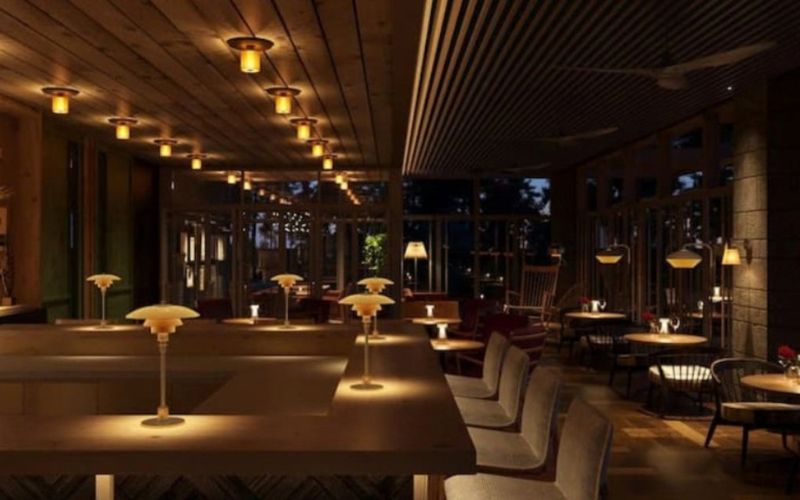
The right accommodation can shape how you experience a destination. For travelers who want to combine access to Baguio's attractions with a stay that reflects the city's creative character, Grafik Pine House Baguio offers a distinctive option within Camp John Hay.
Designed around the idea of culture-inspired hospitality, the hotel incorporates Cordilleran details, warm textures, and cultural art installations into its spaces. Its design creates a connection between the guest experience and the creative identity that makes Baguio distinctive.
Its location in Camp John Hay is particularly appealing for visitors who want to enjoy the area's pine-shaded surroundings, historical landmarks, and leisure experiences while exploring other parts of the city.
If you are comparing hotels in Baguio City, consider how the hotel's location, design, and amenities fit your travel priorities. You can also explore the available accommodation in Baguio options to find a room suited to your needs.
Choose a stay that brings together culture, creativity, and the natural atmosphere of Camp John Hay with Grafik Pine House Baguio.
Book your stay at Grafik Pine House Baguio today.
Ready For Your Trip to Baguio?
Baguio offers more than cool weather and familiar tourist attractions. Its natural landscapes, cultural heritage, creative community, local food, and highland traditions give travelers plenty of ways to experience the city at a deeper level.
A thoughtful itinerary makes room for both well-known landmarks and smaller discoveries, from exploring cultural spaces and browsing local crafts to enjoying a quiet walk beneath the pine trees.
As you plan your visit, consider what you want to take away from the experience. Whether you are interested in art, food, outdoor activities, or simply a change of pace, Baguio offers opportunities to create a trip that feels personal and rewarding.
With its culture-inspired design and location in Camp John Hay, Grafik Pine House Baguio provides a welcoming starting point for discovering the many sides of the City of Pines.
Frequently Asked Questions
1. What is the best time to visit Baguio?
Baguio can be visited throughout the year, but the best time depends on your preferences. Many travelers enjoy the cooler months, while others plan their trips around the Panagbenga Flower Festival or school holidays. Check weather forecasts, event schedules, and accommodation availability before booking.
2. How many days should I spend in Baguio?
Two to three days can be enough to explore several major attractions, sample local food, and visit Camp John Hay. A longer stay gives you more time for museums, artisan spaces, outdoor activities, and nearby destinations such as La Trinidad.
3. What are some cultural experiences to enjoy in Baguio?
You can visit Museo Kordilyera, explore Tam-awan Village, discover local galleries, browse artisan shops, and learn about the region's weaving, woodcarving, and other craft traditions. Check current schedules before visiting cultural venues or booking workshops.
4. What local food and souvenirs should I try in Baguio?
Depending on seasonal availability, look for strawberry treats, local preserves, highland produce, and Cordillera coffee. For souvenirs, consider locally made crafts, woven products, woodcarvings, and handmade accessories. Buying from reputable local makers can help you learn more about the products and their origins.
5. Where should I stay when visiting Baguio?
Choose accommodation based on your itinerary, budget, preferred surroundings, and desired amenities. Camp John Hay is worth considering if you want access to pine-shaded surroundings and recreational attractions. Grafik Pine House Baguio offers culture-inspired accommodation in the area, with amenities designed to support a comfortable stay while you explore the city.